






SODIUM-ION ENERGY STORAGE
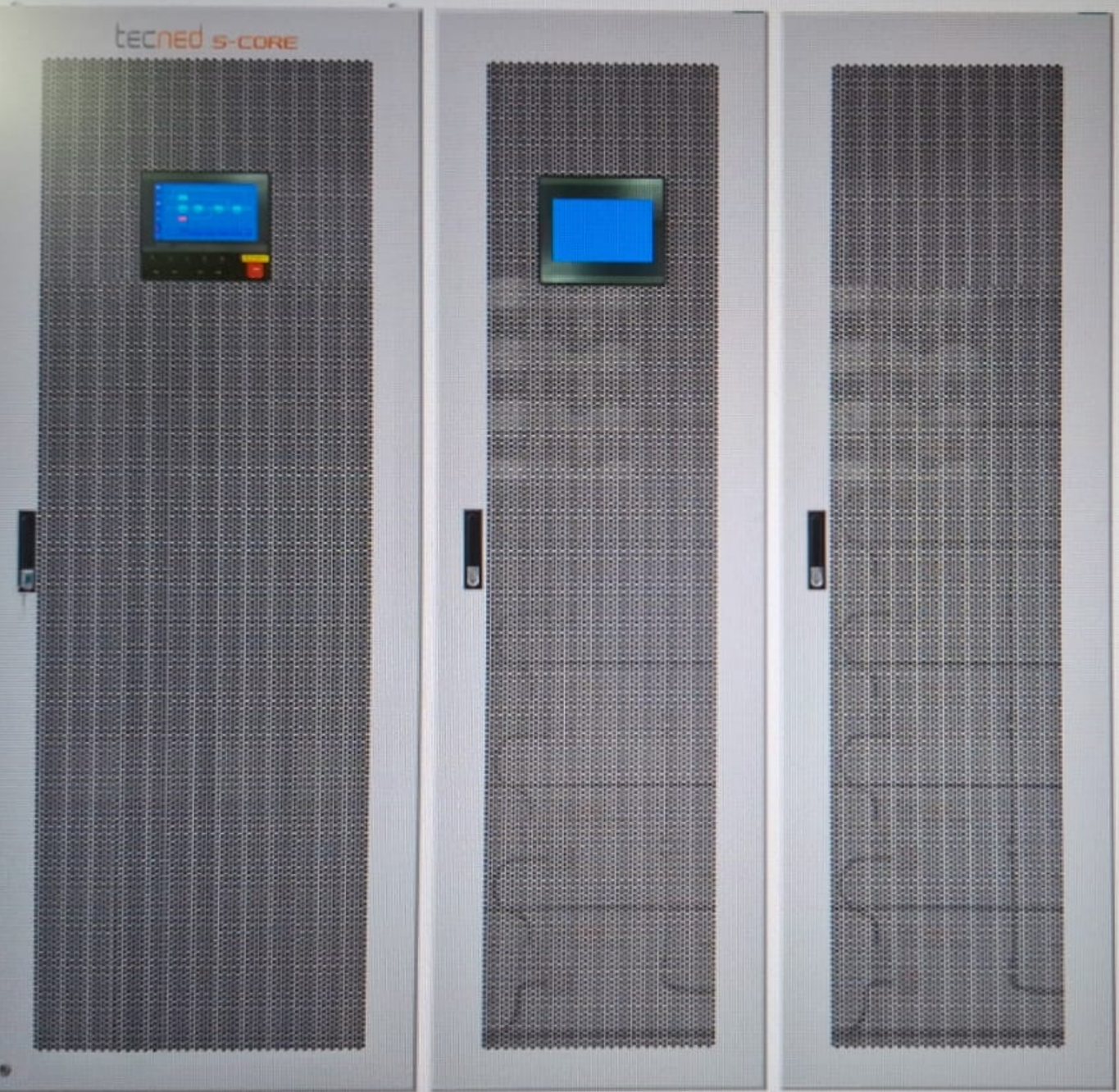
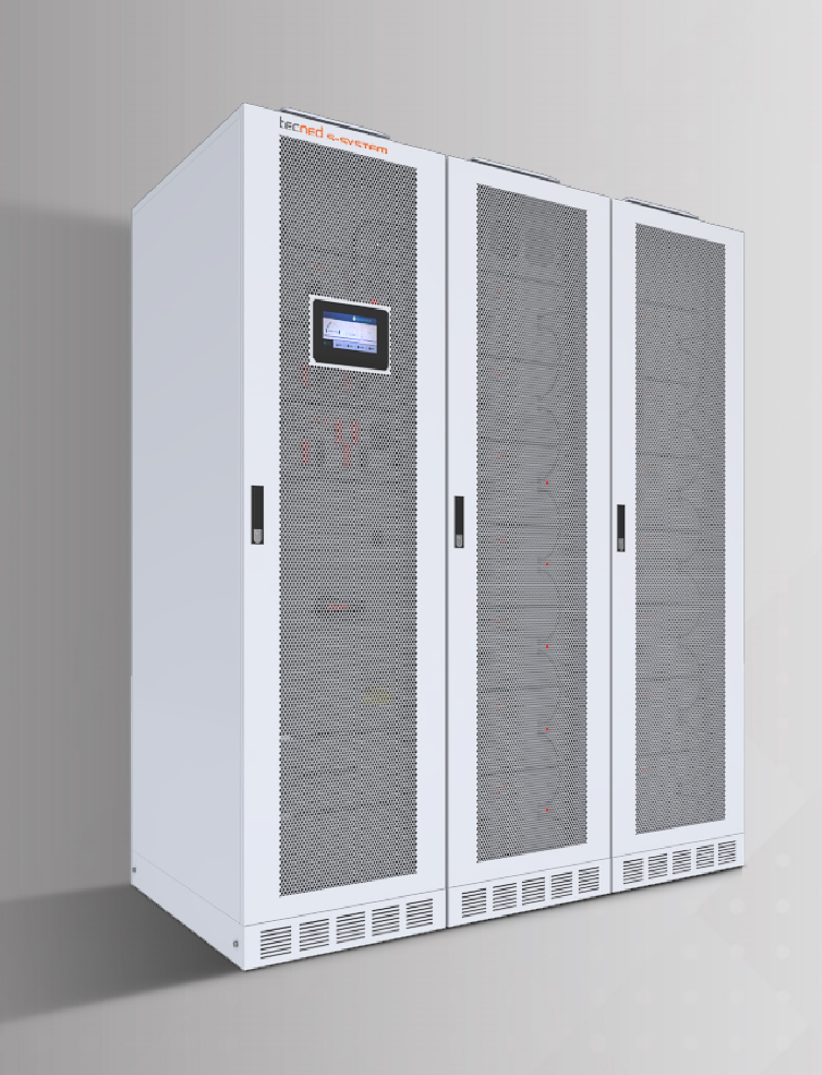
TECNED integrates sodium-ion battery technology into modular building blocks and complete energy systems — from 48 V DC battery modules to UPS-grade energy platforms and scalable BESS cabinets.
Why Sodium-ion?
Sodium-ion technology offers a different approach to stationary energy storage. Rather than prioritising maximum energy density, TECNED’s platform focuses on safety, predictable behaviour and long-term operation in professional indoor environments.
Critical Power | 48 V DC | UPS Systems | Industrial Energy Storage
The sodium-ion platform
Safe sodium-ion chemistry designed for controlled operation in technical environments.
Stable and predictable degradation behaviour for long-term stationary applications.
Flexible building blocks for DC architectures, hybrid systems and scalable installations.
Supports energy management strategies including peak shaving and load shifting.
Built for professional environments requiring robust, serviceable energy infrastructure.
Designed for predictable operation across demanding environmental conditions.
THE PLATFORM
From modular 48 V energy storage to UPS-grade power systems and complete commercial BESS installations.
Telecom | DC Power Rooms | 48 V Microgrids | Commercial Backup
Industrial Processes | Hospitals | Public Infrastructure | Generator Optimisation
Peak Shaving | Load Shifting | Microgrids | PV Integration | Grid Support
THE TECHNOLOGY
Sodium-ion is not a single chemistry. TECNED deliberately selects NFPP-based cells because they offer strong thermal stability and predictable lifetime behaviour for stationary infrastructure applications.
| Aspect | NFPP (TECNED) | Layered Oxide | Prussian White | Aspect |
| Thermal stability | Very high | Medium | Medium | Thermal stability |
| Oxygen release | None | Possible | None | Oxygen release |
| Voltage profile | Flat, stable plateau | Sloping | Sloping | Voltage profile |
| Abuse tolerance | Excellent | Moderate | Moderate | Abuse tolerance |
| Energy density | Lower | Higher | Medium | Energy density |
| Degradation behaviour | Predictable | More variable | Moderate | Degradation behaviour |
| Indoor suitability | High | Conditional | Conditional | Indoor suitability |
| Safety prioritisation | High | Medium | Medium | Safety prioritisation |
Conclusion: NFPP chemistry prioritises safety and predictability over maximum energy density. This aligns with TECNED’s design philosophy for indoor ESS, energy-optimised UPS systems, and long-life 48 V architectures where controlled behaviour and insurer-friendly risk profiles are essential.
Tell us about your application. Our engineering team will recommend the most suitable sodium-ion architecture.
© 2026 TECNED B.V. All rights reserved.